
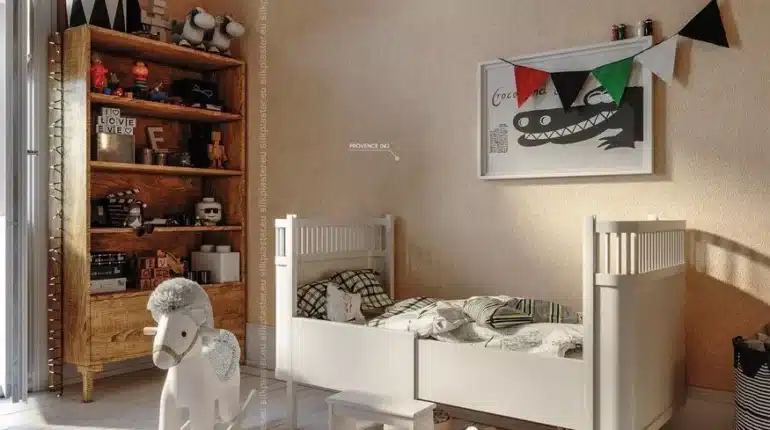
Liquid wallpaper is a decorative wall coating made from natural fibres such as silk, cotton, or cellulose, mixed with water and applied directly to walls like paint. Unlike traditional wallpaper, it comes as a powder or paste that’s mixed on-site, spread by hand or trowel, and dries to a soft, textured finish that’s distinctly different from anything a standard roller can produce. It’s been widely used in Europe and Asia for decades and has steadily built a following in Australia, offering a finish that sits between a flat painted wall and the pattern of traditional wallpaper.
Because liquid wallpaper is still relatively unfamiliar to many Newcastle homeowners, the same questions tend to come up repeatedly: what exactly is it, how does it hold up, does it work in wet areas, and can it cover wall imperfections? This guide answers each of those questions in full.
What Is Liquid Wallpaper and How Is It Applied?
Liquid wallpaper is a water-based coating composed of natural fibres bound together with a water-soluble adhesive. The fibres are most commonly silk, cotton or cellulose, sometimes combined with decorative additives like mica or glitter to produce different visual effects. It’s sold as a dry mix that’s combined with water before application, which means the consistency and coverage can be adjusted on-site.
Liquid wallpaper is typically spread onto the wall by hand or with a trowel, then smoothed to the desired texture and thickness. There’s no roller, no brush and no masking tape required at edges since the material is applied and shaped directly.
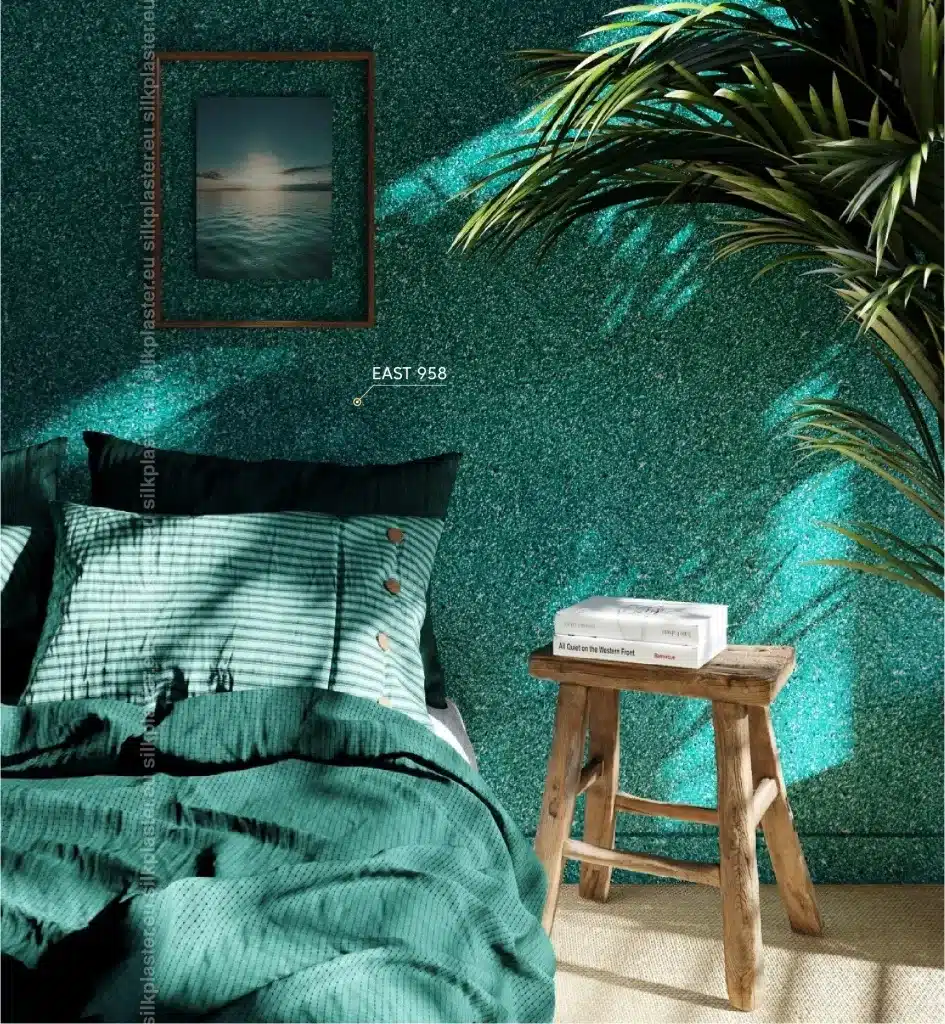
Because it’s water-based and pliable during application, it dries in a seamless finish with no visible joints or seams, meaning it doesn’t require the same precision that traditional wallpaper hanging demands.
Drying time varies depending on thickness and humidity, but most applications are touch-dry within 24 hours and fully cured within 48 to 72 hours. At George.Painting, liquid wallpaper is one of the specialty finishes we apply for clients looking for something beyond a standard painted surface.
What Are the Pros and Cons of Liquid Wallpaper?
Liquid wallpaper has genuine advantages, but it’s not the right finish for every situation.
Pros
- Distinctive, tactile finish that’s softer and warmer than flat paint, without the busy pattern of traditional wallpaper
- Seamless application with no joins, overlaps or edges lifting at corners
- Repairable without disturbing the surrounding finish. Damaged sections can be dampened, removed and reapplied locally
- Lower VOCs than many solvent-based paints, making it a reasonable choice for households with sensitivities to paint fumes
- Some acoustic and thermal properties from the natural fibre composition
Cons
- Less durable than paint in high-traffic areas. It’s more prone to marking and scuffing than a semi-gloss painted wall
- More labour-intensive to apply than paint, which is reflected in the cost
- Removal takes time. Dampening the wall and working the material off in sections isn’t a quick process
- Colour matching for repairs depends on having the original mix available. If it’s no longer stocked, achieving a perfect patch is difficult.
How Long Does Liquid Wallpaper Last?
When applied correctly to a suitable surface, liquid wallpaper typically lasts 10 to 20 years in low-traffic interior spaces. But that longevity depends on several factors.
Surface preparation is the most important. Liquid wallpaper applied over a wall that hasn’t been properly primed or that has underlying moisture issues will fail earlier than the product’s intended lifespan. A bedroom or living room will see a finish last significantly longer than a hallway or room that gets frequent contact, and humidity can also speed up deterioration.
One of the more practical durability advantages of liquid wallpaper is that minor damage doesn’t require repainting the entire wall. A scuff or small area of damage can be repaired locally by dampening and reapplying, which extends the effective lifespan of the finish without a full redo. That’s why we always recommend keeping a small amount of the original mix stored away for repairs.

Does Liquid Wallpaper Hide Wall Imperfections?
Yes, to a point. Because it’s textured, liquid wallpaper does a better job of disguising minor surface imperfections than flat or low-sheen paint, which tends to highlight unevenness. Fine cracks, small dents, minor surface roughness, and the texture of render or plaster can all be softened by liquid wallpaper in ways that a painted finish wouldn’t.
Liquid wallpaper handles cosmetic imperfections well and can reduce the amount of filling and sanding required compared to a smooth painted finish. But it isn’t a shortcut around proper prep for anything beyond surface-level unevenness, and large cracks or deep holes should be repaired before application.
At George.Painting, we assess the wall condition before recommending liquid wallpaper and factor in any prep work required, because a finish that’s applied over a poorly prepared surface won’t deliver the result the product is capable of.
Is Liquid Wallpaper Waterproof?
Standard liquid wallpaper isn’t waterproof. It’s water-resistant to a degree, since the fibres don’t immediately absorb small splashes, but it’s not designed for sustained exposure to water or steam.
In a bathroom with good ventilation and low humidity, liquid wallpaper on walls away from the shower or bath can perform reasonably well. In a poorly ventilated bathroom, or on any surface that gets regular direct water contact, the material will deteriorate quickly.
Some manufacturers produce waterproof or moisture-resistant variants of liquid wallpaper that include a sealing agent in the mix or are designed to be sealed with a clear topcoat after application. These products extend the range of suitable environments, but they still shouldn’t be applied to surfaces that receive direct water contact like shower walls.
If you’re considering liquid wallpaper for a bathroom, we can assess the specific space and ventilation conditions and give an honest recommendation on whether it’s the right fit.
Is Liquid Wallpaper Right for Your Space?
Liquid wallpaper works well for low-traffic interior rooms like bedrooms or living rooms, but it doesn’t work as well in high-contact areas or wet zones
As a specialty finish, it’s also worth having it applied by someone who’s familiar with the techniques and surface prep requirements to help it last. George.Painting applies liquid wallpaper as part of our specialty finishes service across Newcastle and Lake Macquarie.
If you’re weighing it up for a specific room or project, get in touch and we can talk through whether it’s the right call for your space.