

Most Australian homes need repainting every 5-10 years, but this depends on your location and exposure to the elements. Newcastle homeowners should repaint more often due to their coastal position. Salt spray damage and intense sun exposure might require repainting every 3-7 years in some beachside areas.
The interior paint situation brings better news. Professional painting and proper care can keep your interior walls looking great for over 10 years, but your high-traffic areas might need more frequent attention.
As the local experts, the team here at George.Painting knows the ideal repainting schedules, and we’ll take you through painting timelines room-by-room along with some expert tips to make your paint last longer in our harsh coastal conditions.
Why Repainting Matters
The paint on your walls does multiple jobs beyond making things look good, and regular repainting should be part of every homeowner’s maintenance routine.
Paint as a protective barrier
Your home’s first defence against the elements is your exterior paint. A quality paint job creates a shield that protects against harsh sunlight and stops water from seeping into surfaces, which can lead to rotting wood and mould growth. A protective coating can also keep termites and other wood-boring insects away, which helps avoid expensive structural repairs.
Preventing long-term damage
A simple maintenance task can get pricey if you put off repainting too long. As paint breaks down, wood begins to rot and metal starts rusting, and what should have been a basic repainting job turns into a complex project. You can stop small issues from becoming major structural problems with regular repainting.
Effect on property value
A professional paint job can boost your property’s resale value. New paint shows buyers that you’ve taken good care of your home, which helps properties sell faster and fetch better prices. Well-maintained houses can sell for up to 10% more than similar properties that need paint or repairs.
Exterior Painting Frequency in Australia
Australia’s climate creates unique challenges to maintain exterior paintwork. The harsh UV exposure and salty coastal air are key factors that determine how often you’ll need to repaint your home’s exterior.
Climate impact on exterior paint
While most Australian homes need repainting every 5-10 years, homes near the coast deteriorate faster because of exposure to salt air and intense sun. That means you might need to repaint more often, giving your exterior a refresh every 3-7 years. Homes further inland can last a few years longer between paint jobs if surrounding structures protect them well.
Material-based repainting timelines
Each exterior material needs its own repainting schedule:
- Timber and Weatherboard: These materials need the most frequent attention, with repainting every 3-7 years.
- Brick and Rendered Surfaces: Painted brick lasts 10-15 years in good conditions. Rendered walls usually need fresh paint every 5-10 years, though coastal properties might need it sooner.
- Metal and Vinyl Cladding: These surfaces keep their finish for about 10 years before needing new coats. Surfaces in direct sunlight might fade faster.
Signs it’s time to repaint your home’s exterior
Look out for these key signs whatever the timeframe:
- Paint peeling, bubbling, or cracking shows the protective barrier has failed.
- Faded colours, chalky residue, or uneven looks indicate UV damage.
- Water stains, mould, or failed caulking point to waterproofing problems, especially in humid areas.
- Bare wood, visible nail heads, or sanded spots show areas that have lost all protection and need immediate attention.
Early detection of these warning signs helps you avoid expensive structural damage under the surface.
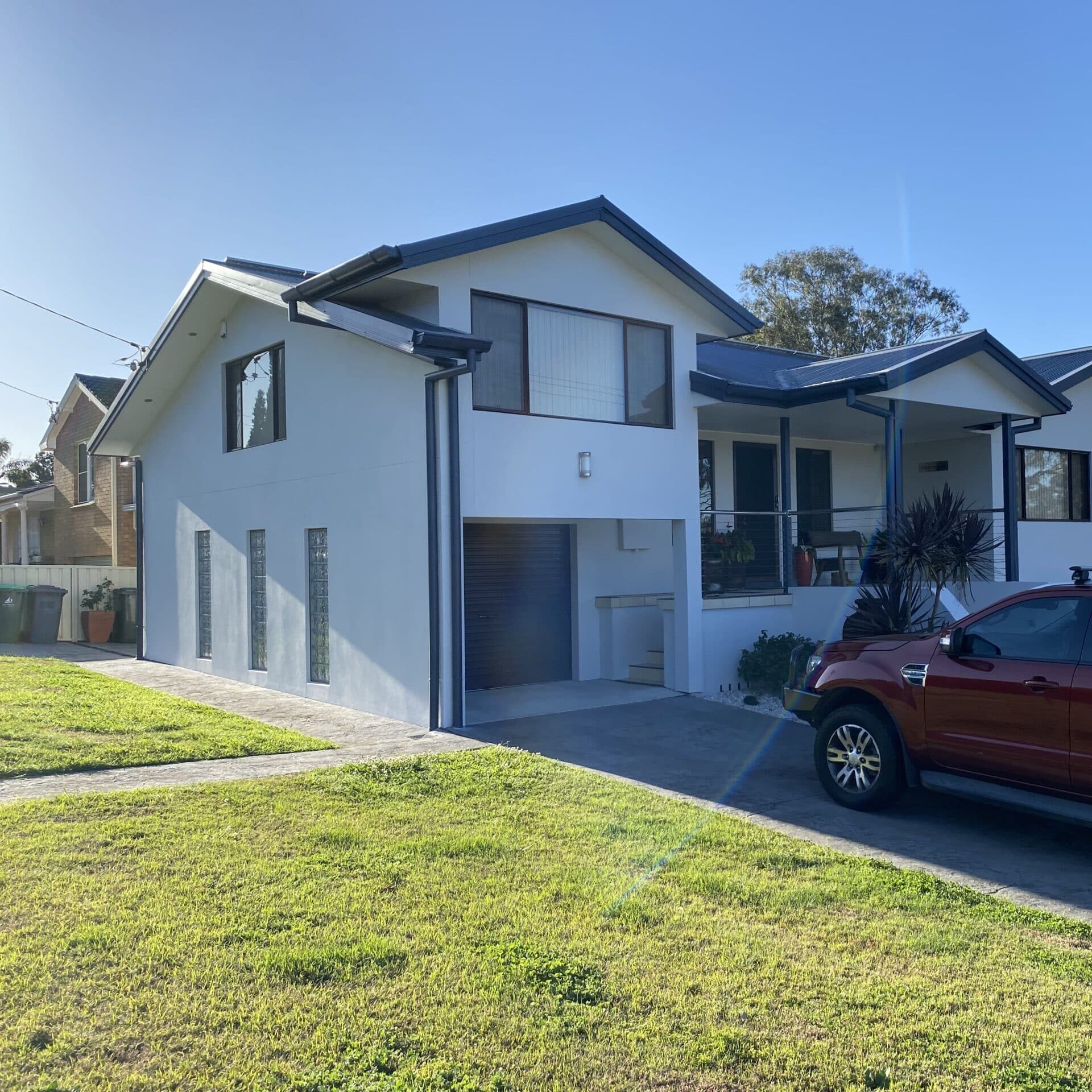
Interior Painting Frequency by Room
Each room in your home ages differently from the outside, which can make a single approach to interior repainting difficult.
Kitchen and bathrooms: 3–5 years
Your kitchen and bathrooms face the toughest conditions inside the house. Cooking steam, grease particles, and regular cleaning take their toll on kitchen paint. Even with good ventilation, paint above stovetops usually shows the first signs of wear and becomes sticky or discoloured. Bathrooms also struggle with constant humidity and soap products that make them prone to mould growth and peeling paint.
Living areas: 5–7 years
Living and dining spaces keep their looks longer, needing new paint every 5-7 years. While we all use these rooms frequently, the walls are often protected by furniture like couches and bookshelves that soak up damage before it gets to your walls.
Bedrooms: 7–10 years
Adult bedrooms can go 5-10 years between paint jobs, but a kid’s bedroom might need more frequent touch-ups. Sticky fingers, wall art, or furniture scrapes all take their toll, so you might need to repair every 2-3 years.
Ceilings: 10+ years
A well-painted ceiling should look good for over 10 years. Ceilings dodge the damage that walls face, meaning their paint lasts about twice as long as wall paint. Kitchen ceilings might need more frequent touch-ups due to cooking steam.
Signs your interior needs repainting
Watch for these signs whatever the timeframe:
- Walls look dirty after cleaning
- Scuff marks stay put despite cleaning
- Paint fades near windows
- Paint peels, bubbles, or cracks, especially in wet areas
- White or light-coloured paint turns yellow
- Stains or watermarks won’t go away
What Affects Paint Longevity and How to Extend It
Your paint job’s lifespan depends on several factors that work together to make it last longer or wear out faster.
Surface preparation
Good surface preparation is the foundation of any paint job. Your paint will fail early if you skip proper preparation, no matter how good the paint quality is. You’ll get smoother, longer-lasting results when you clean, sand, and fix imperfections before painting. Primer also helps paint stick better, last longer, and keep colours true. Multiple coats will protect better against moisture and UV damage.
Paint quality
Better quality paints have superior binders and pigments that stick to surfaces better, so they won’t chip, peel, or fade as easily. You’ll use fewer coats with premium paints to get the coverage you want, which saves on labour and materials.
Cleaning and maintenance
Your paint will last much longer with regular maintenance. An annual wash with mild detergent keeps buildup from speeding up wear and tear. Stay away from harsh cleaners or strong chemicals that will break down even the best paint finish. Walls with flat finishes need just warm water with a bit of mild soap instead of rough scrubbers. If you spot any signs of mould, take care of it right away with special cleaners that won’t hurt the paint.
Preventative measures for high-wear areas
Corner guards in hallways help prevent scratches and dents that break through paint. Clear sealants or special coatings shield against moisture and UV damage. Good ventilation in humid areas keeps paint from peeling. High-traffic areas work better with washable, scuff-resistant paints made specially to last. Check painted surfaces often and fix small chips before they spread and let moisture get in.
Time For a Repaint?
At George.Painting, we understand the importance of maintaining painted surfaces to maximise their lifespan and avoid unnecessary expenses. Our experts can spot the early warning signs and suggest the best timing that fits your situation.
Think you might be seeing some wear and tear? Give us a call today, or request a free quote so we can assess your home.