

People often ask, “Can you paint over old paint?” during property renovations. When you’re staring at the finish line of a renovation, it’s tempting to take the easy way out, but sometimes doing it the quick way ends up costing you more time and money down the road.
A time-saving option does exist if your existing paint surface looks good, but you can’t paint directly on peeling or blistered paint. The right preparation is important to make your paint job last, whether it’s on wood or other surfaces.
It can be difficult to tell when you can add fresh paint over old layers or when you need complete removal, but the Newcastle painting experts at George.Painting are here to help. We’ll help you spot the warning signs and give you some tips for better surface preparation to make your next painting job smooth sailing.
When You Can Paint Over Old Paint
You can save a lot of time and effort by painting over existing paint when you do it right, but it all depends on whether your current painted surface makes a good foundation.
Good adhesion and stable surface
If you want to paint over old paint, it’s important to make sure you’re working with a stable surface. You can do a simple adhesion test to check by cutting a small X in the existing paint with a sharp blade. Press sticky tape firmly across the cut, then pull it off quickly. If any paint comes off, that means the old paint won’t be a stable surface to paint over. It’s a good idea to test a few random spots to make sure the adhesion is good everywhere.
No major stains or water damage
Aside from the fact that water damage usually signals a deeper problem that needs treating, paint just doesn’t stick well to water-damaged surfaces or bad stains. Paint requires a clean and dry surface to adhere properly, and any moisture can cause it to bubble and peel within weeks.
When using the same or darker colour
Your paint job will turn out great when:
- Your new and old paint match
- The walls look good and have the same colour
- You pick a darker shade to go over a lighter one
You might not need primer when painting over light colours with similar shades, like if you go from pale beige to white. But if you’re covering dark colours with lighter ones, primer is essential to prevent the darker shades from showing through.
When painting over old paint on wood with proper prep
Wood usually takes well to repainting if the old finish stays intact. Here’s how to get it right:
- Use sandpaper to rough up glossy surfaces
- Clean with warm soapy water and rinse well
At George.Painting, we know exactly what makes a surface ready for repainting. Give us a call today for expert advice about your painting project and results you’ll love.
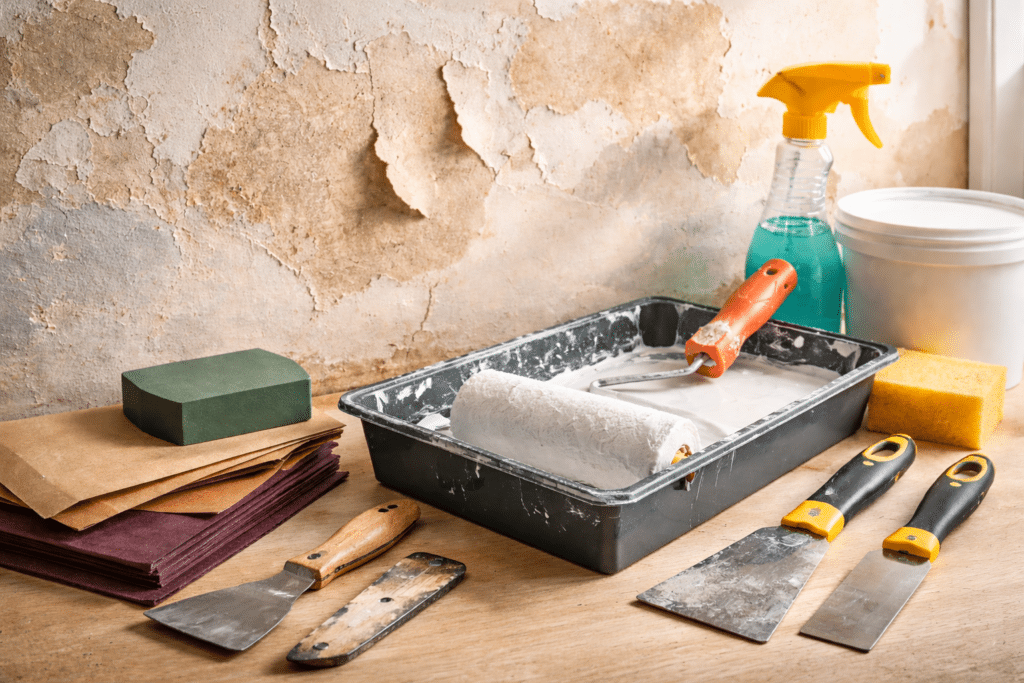
When You Shouldn’t Paint Over Old Paint
Painting over existing paint might seem like an easy solution, but it can lead to serious problems. Here are some warning signs to watch out for to save yourself from headaches down the road.
Peeling, flaking or blistering paint
These surface problems show that your current paint job has failed. Any number of things could have gone wrong, from poor preparation to moisture issues. But the reality is a new coat of paint will only hide these problems for a short time before failing just like the damaged layers underneath.
The best thing to do is scrape away loose paint and sand the surface until it’s smooth before applying a good primer before you try painting a new layer.
Presence of mould or water damage
Mould or water stains mean you have moisture problems to fix before painting. The mould will keep growing under your new paint if you don’t treat it first, and your paint will start to blister and peel much sooner than it should.
Start by finding and fixing where the moisture comes from. Then treat the area with a mould killer and let it dry completely before you paint. Sometimes replacing the damaged material is the best option, especially when you have severe water damage.
Lead-based paint concerns in older homes
Homes built before 1970 in Australia probably have lead-based paint, which can be dangerous even in small amounts. A new coat of paint won’t make lead paint safe. Don’t try to handle this problem yourself. If you think you have lead paint, it’s time to consult the professionals for testing and removal.
Glossy or oil-based finishes without sanding
New paint doesn’t stick well to glossy or oil-based surfaces without the right preparation. Sand glossy surfaces with fine-grit sandpaper to create texture for the new paint to grip.
Surface Preparation for Repainting
Good surface preparation is the foundation of any paint job that lasts. These steps will give a strong base for your paint to stick properly and deliver great results.
- Perform an adhesion test
Start by checking if your current paint is stable enough for a new coat. Take a sharp blade and cut a small X through the existing paint. Press sticky tape firmly over it and pull it off quickly. Paint that sticks to the tape means the surface needs more work before repainting. Test several spots to get a full picture.
- Clean the surface with sugar soap or prep wash
A deep clean removes dirt, grease, and anything that stops paint from sticking well. Sugar soap works really well to cut through grime, and make sure to give everything a rinse with clean water afterwards.
- Sand glossy or uneven areas
Your glossy or uneven surfaces need light sanding to create a surface that new paint can grip. Work in circular motions from top to bottom, and remember to wear a dust mask when sanding.
- Fill cracks and holes with filler
Use a filling blade to apply the right filler into any cracks, dents, or holes. Let it dry based on product instructions, then sand until smooth.
- Allow surface to dry completely
The surface must be completely dry before you start painting. Any moisture trapped under new paint will cause blistering and peeling.
Priming and Choosing the Right Paint
The difference between a professional-looking finish and a disappointing result lies in selecting the right primer and paint products. Your project’s success depends on proper preparation and these next steps.
Using a primer or undercoat
You don’t always need to prime, but it’s usually a good idea. You’ll need a primer on fresh plasterboard, chalky surfaces, or if you switch from oil-based to acrylic paint. It also helps to cover imperfections or fix cracks, since new plasterboard needs sealing before paint application. Raw wood, brick, or metal surfaces need the right primer to make sure paint sticks properly.
Choosing paint for different surfaces
Wood surfaces need special care – usually sanding plus a wood-specific primer. Oil-based primers work best on dark, tannin-rich timbers. Fresh plasterboard needs a water-based acrylic sealer, and bathrooms need mould-resistant, washable acrylic paints with a semi-gloss or satin finish to prevent peeling.
Tips for painting over dark colours
Dark colours need special attention. Multiple coats are usually necessary to stop the dark shade from showing through, and you might even need additional topcoats to get good coverage. Make sure you allow sufficient drying time between coats.
Wondering if You Can Paint Over Your Old Paint?
You can paint over existing paint as a practical fix in many cases, but you need the right preparation to make it last. While DIY painting works for some projects, if you’re dealing with an older home or tricky surfaces, it might be time to get professional help.
Not sure about your paint’s condition? Need help with your project? Our experienced team is ready to step in. Call us today for a professional assessment or request a quote online.